Truth & Reconciliation
The Land We’re On
With respect, we acknowledge that the land on which we learn, play, and work is the traditional, ancestral, and unceded territories of the Coast Salish Peoples, including the territories of the xwməѲkwəyəm (Musqueam), Skwxwú7mesh (Squamish), and Səlílwəta/Selilwitulh (Tsleil-Waututh) Nations.
As a place of learning, York House School has a responsibility to educate students about Indigenous perspectives and resilience and the impacts of colonization, and to build relationships of reconciliation with Indigenous communities. We encourage students to question, examine, and engage in ongoing dialogue about history and the world we live in.
Learning & Unlearning
Staff, faculty, and students at York House are making ongoing efforts to learn and unlearn, with goals to indigenize and decolonize our teaching and learning.
Our Goals in Truth & Reconciliation:
| Indigenize | Decolonize |
|---|---|
|
We work to incorporate First Peoples Principles of Learning (FPPL) into our curriculum and programming, adding Indigenous lenses and content to deepen our understanding of and connections with Indigenous communities. This means we are intentional with our approach to include Indigenous voices, traditions, cultural knowledge, and ways of teaching and learning. |
We are actively unlearning the misconceptions, misrepresentations, prejudices, and discriminatory practices against Indigenous peoples and cultures as a result of colonialism. We examine histories and traditions to reflect on historical wrongs, and look inward at our educational practices to transition to a more inclusive and pluralistic approach to learning and understanding the past, present, and future. |

Path to Truth & Reconciliation
York House School is committed to making institutional changes in support of learning, empathy, and social justice. Our efforts in Truth & Reconciliation is guided by and directly responds to the Truth & Reconciliation Calls to Action (#62 Education for Reconciliation). We will continue to deepen Indigenous education at York House School across subjects and school events, and include Indigenous perspectives as we develop our practices.
a Snapshot of Recent Indigenous Learning at YHS
| National Day for Truth & Reconciliation |
|---|
|
|
Red Dress Day |
|
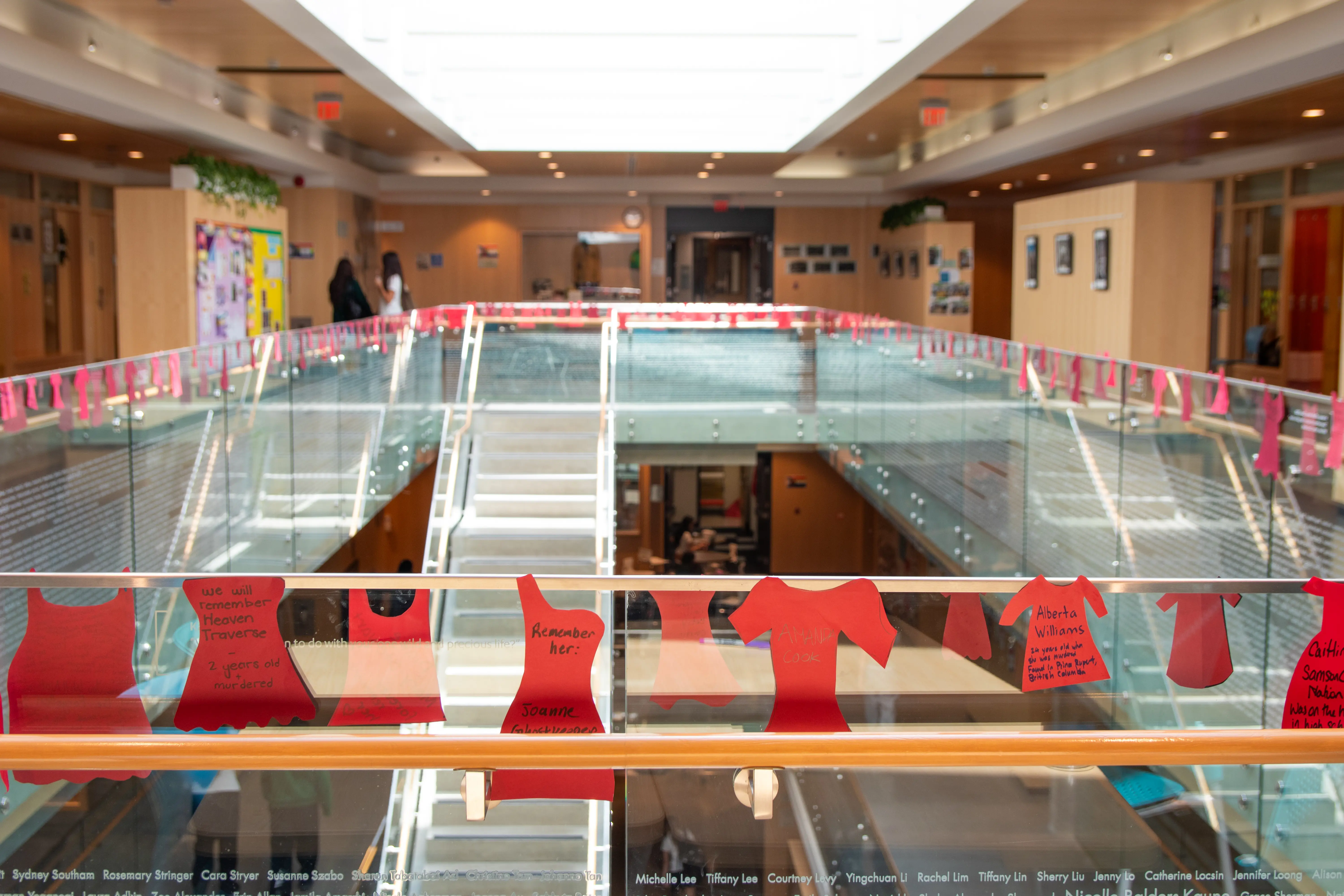
Learning activities through advisory groups to commemorate Red Dress Day / National Day of Awareness for Missing and Murdered Indigenous Women, Girls, and Two-Spirit People (MMIWG2S+)
|
|
Indigenous Workshops |
|
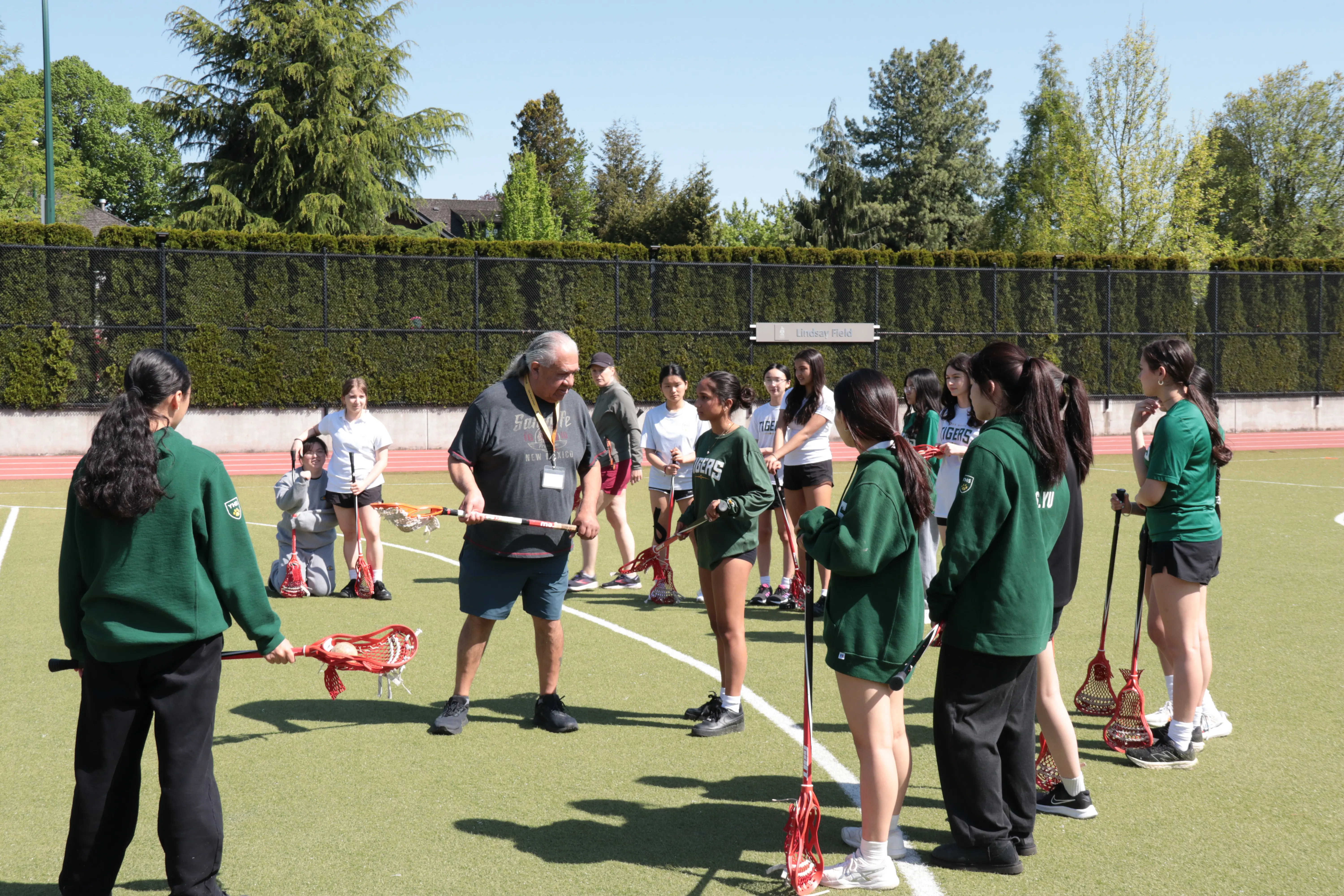
Workshops with Indigenous Elders, speakers, and field experts in education, art, music, sports, and traditional indigenous herbal medicine
|
|
Land Acknowledgement |
Grade 1 class created their personal land acknowledgement together.
|
|
Little School Learning Gardens |
|
The FPPL is embedded in students’ multidisciplinary inquiry at the Little School gardens. By learning in and with the environment, students explore concepts of place-based knowledge, intergenerational connections, and the vital role of community responsibility. |
|
First Peoples Principles of Learning Across Subjects |
|
Some of the ways subjects have incorporated the FPPL: English and Modern Languages
Social Studies
The Arts and ADST
Math and Sciences
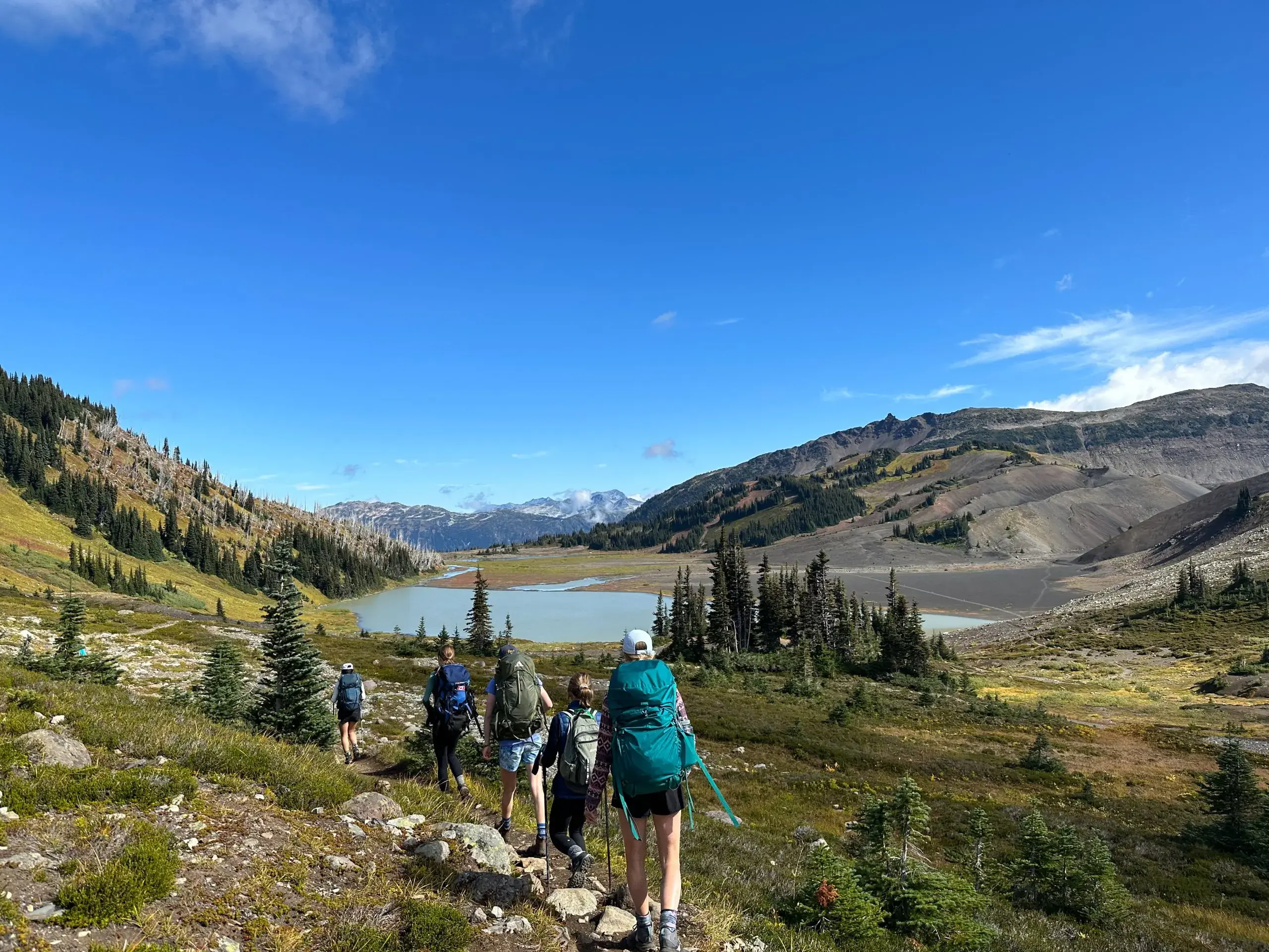
Outdoor Education and PHE
|
|
Indigenous Learning Group |
| A learning group consisting of faculty and staff meets regularly to explore opportunities for intentional actions in indigenizing and decolonizing our learning and practices as educators and staff in and out of the classroom. |
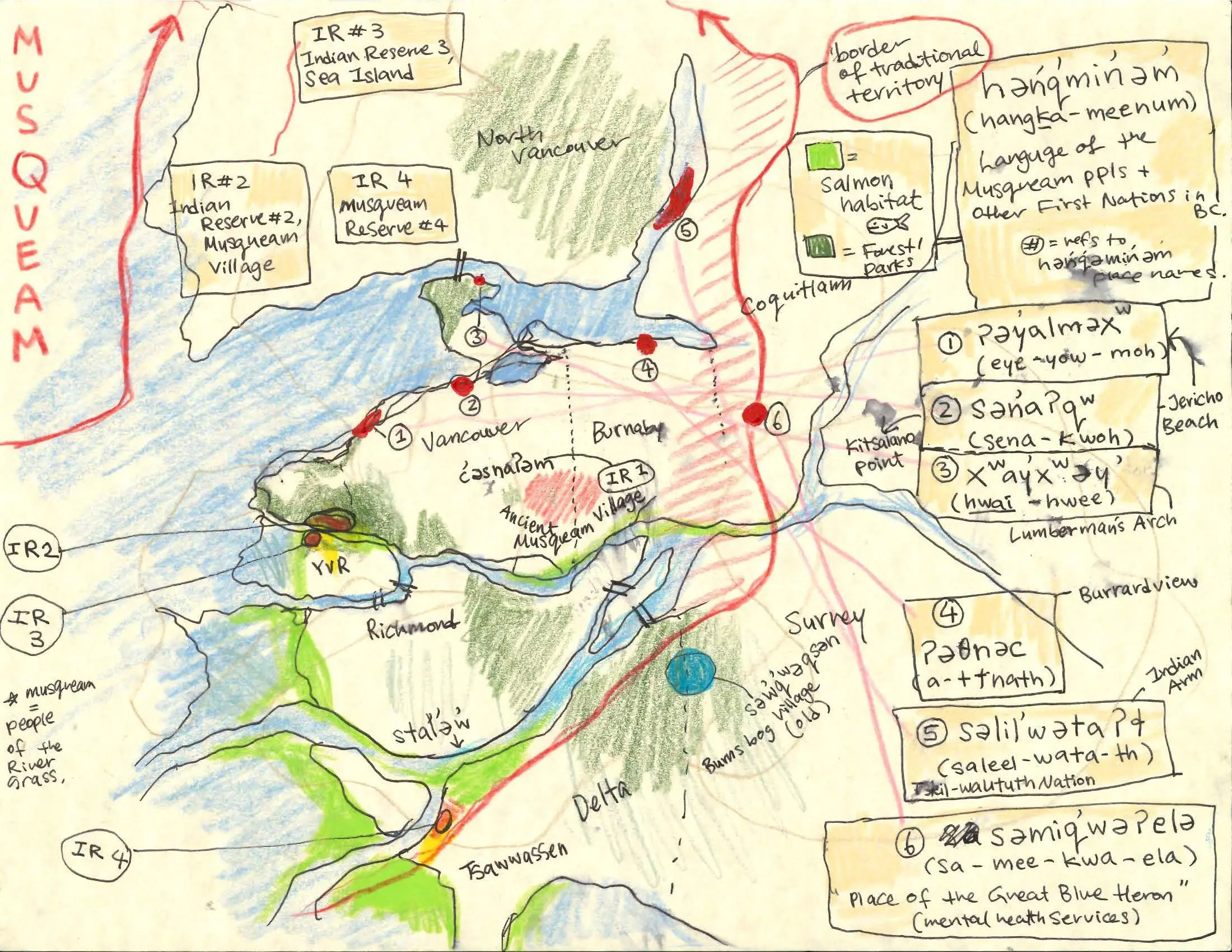
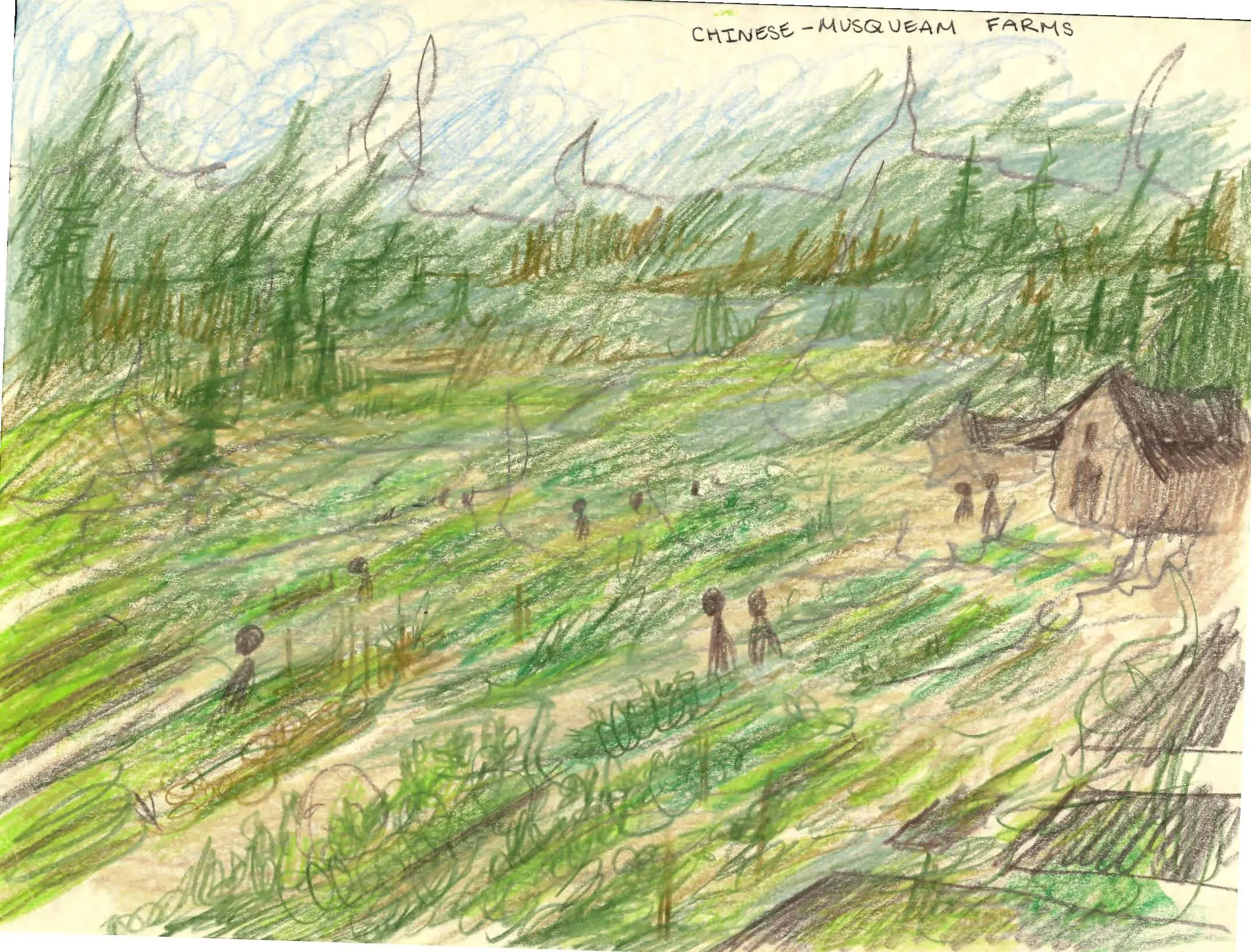 Images of personal land acknowledgement expressed through art by student Delphine '26.
Decolonize our House names
Students and faculty stopped using the original YHS house names several years ago out of concern about their impact and out of respect for Indigenous communities. In 2021, York House School issued an apology to Indigenous peoples for misrepresenting their Indigenous names. York House also launched a House re-naming consultation and process to rename the school houses.
| Statement of Apology (2021): |
|---|
|
Beginning in the 1930s, York House School developed an important tradition that continues to shape student life: the House system. Students and faculty are organized into four Houses for the purpose of fostering school spirit through intramural sport and friendly competition. While the House system will remain an integral part of our school, we are changing the names of these Houses. |